
Around the table
Many communities. A place for seafood at the table.
A look at Detroit’s Black, Bengali, Arab, Yemeni, Chaldean, Chinese, Japanese, and Korean communities—and the possibilities of a shared seafood counter.
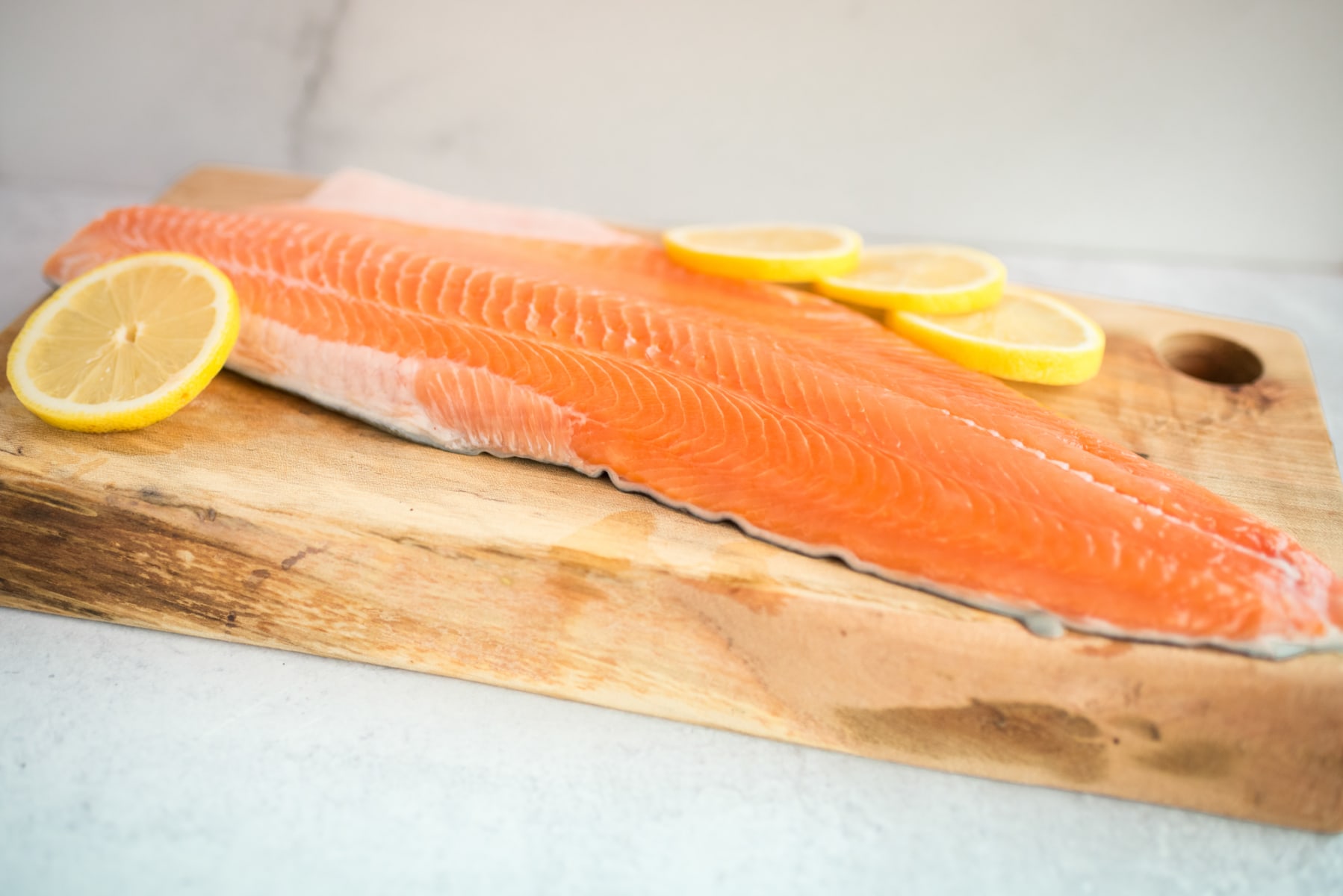
A seafood counter leaves room for the cook’s own traditions. The same fish might be roasted, steamed, fried, or simmered. Detroit and its surrounding communities bring many histories to those everyday decisions.
Start with the city’s neighborhoods.
Black Detroit is central to the city’s story. The Detroit Historical Society’s account of Black Bottom describes a thriving African American neighborhood shaped by the Great Migration, with homes, businesses, churches, and entertainment along Hastings Street.[1]
Bengali and Bangladeshi life is another part of the region’s story. Detroit’s neighborhood guide identifies Banglatown in District 3 as a home for Bangladeshi immigrants. The city’s communities have distinct geographies; they are not all concentrated in one neighborhood.[2]
Arab, Yemeni, and Chaldean histories.
Detroit’s Historic Designation Advisory Board traces Arab and Chaldean immigration back more than a century. These histories include businesses, places of worship, grocers, and community spaces. They deserve attention in their own right, with respect for each community’s identity.[3]
In neighboring Dearborn, the Arab American National Museum’s Seeing the Southend exhibition documents Yemeni and Lebanese American life in the 1970s and 1980s. It offers one specific window into the wider region’s Arab American history.[4]
Chinese, Japanese, and Korean connections.
The Detroit Historical Museum’s Detroit’s Chinatowns exhibition traces Chinese American life in the city to the nineteenth century. Across metro Detroit, the Japan Business Society of Detroit and the Korean American Cultural Center of Michigan are further examples of community institutions.[5][6][7]
Your kitchen makes the final choice.
These regional histories offer context for a city with many ways of cooking. They do not establish which communities have shopped at The Lobster Pot. No single dish or preference represents everyone in a community.
For your own dinner, start with a cooking method you enjoy: a crisp pan-fried fillet, a fish roasted with spices, or shrimp in a favorite broth. Then choose the species, cut, and quantity that suit your recipe. A neighborhood seafood market can be a starting point for many different meals.
Sources & further reading
Researched from the market’s published information and the sources below. Historical advertisements do not show today’s prices or hours.
- Detroit Historical Society · Found Footage: Black Bottom Detroit
- City of Detroit · The Neighborhoods: District 3
- City of Detroit · Arab and Chaldean community histories
- Arab American National Museum · Seeing the Southend
- Detroit Historical Museum · Detroit’s Chinatowns
- Japan Business Society of Detroit
- State of Michigan · Asian Pacific American Affairs Commission, September 13, 2019 (PDF)