At the fish counter
Wild-caught, fresh, frozen: know your seafood.
A practical guide to the seafood labels on The Lobster Pot’s menu, from wild Gulf shrimp to Great Lakes fish.
A good seafood dinner starts with knowing what you are buying. At The Lobster Pot, the menu gives you a useful starting point: species, origins, sizes, and a choice of fresh and frozen seafood.
Start with the product, then its origin.
The market’s published menu identifies several Gulf shrimp options as wild-caught. It also names Lake Erie for walleye and perch, Lake Huron for whitefish, and Maine for live lobster. Those details help you compare the seafood behind the name.[1]
Read each listing individually. The same menu includes farm-raised sturgeon caviar, so a wild-caught description on one product does not describe the entire counter. A place of origin, on its own, does not tell you whether a fish was caught or farmed.[1]
Freshness and wild-caught answer different questions.
Wild-caught describes seafood harvested from a natural body of water. Farm-raised describes seafood grown through aquaculture. Fresh and frozen describe how seafood reaches you. These are separate choices: a wild-caught fish can be frozen, and a farm-raised fish can be sold fresh.[3][2]
NOAA explains that properly handled frozen seafood can be excellent quality. Freezing can preserve a catch soon after harvest, and good temperature control matters throughout its journey. The word fresh alone is not a complete quality check.[2]
Choose for the meal you want to make.
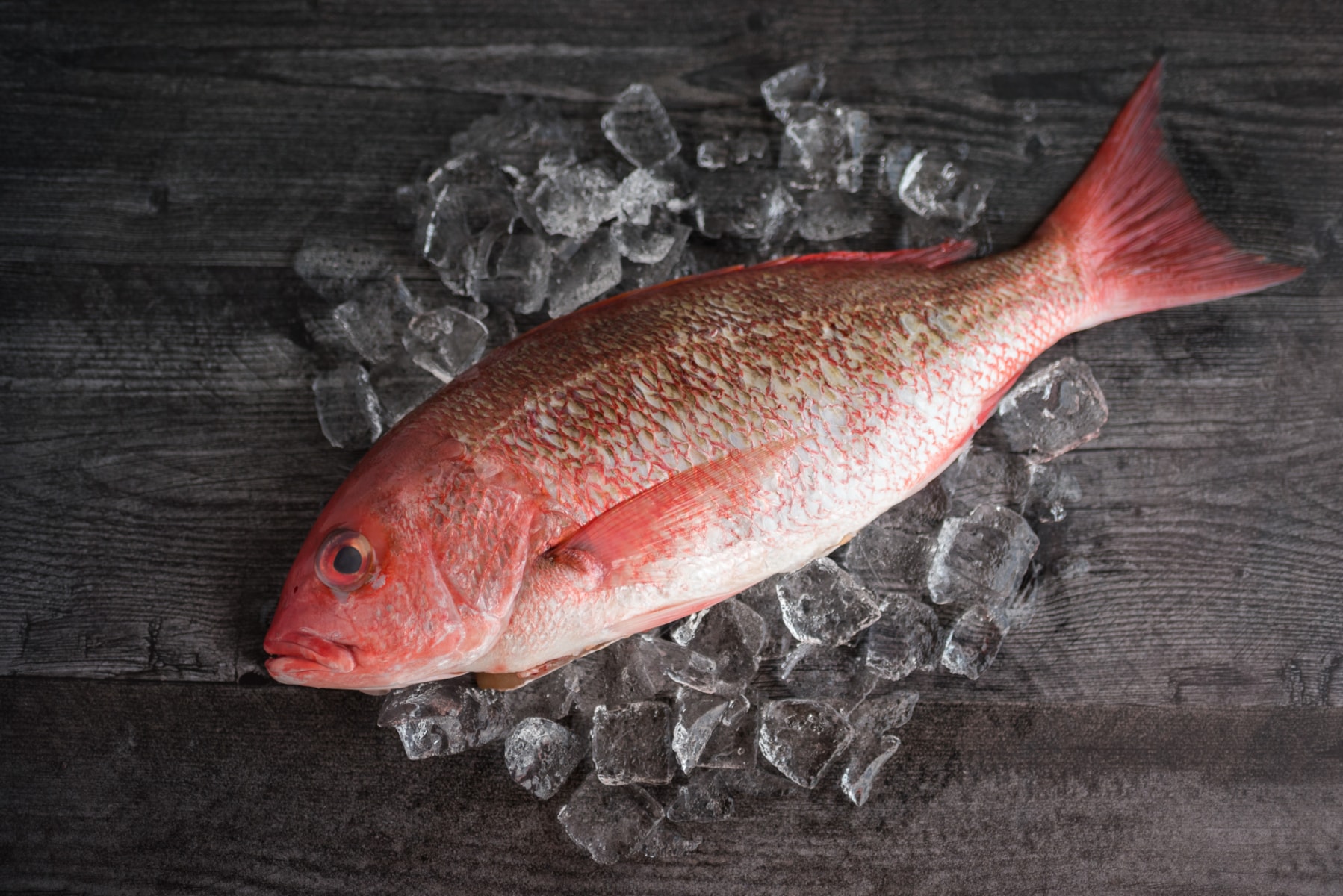
For a shrimp dinner, compare the size count, whether the shrimp are peeled, and whether they are already cooked. For fish, decide whether you want a whole fish or a fillet and how many portions you need. Those practical details can make shopping easier than choosing by a single label.
Sustainability also depends on the particular fishery or farm and how it is managed. Both wild fisheries and aquaculture can be responsible sources, according to NOAA. Specific sourcing information is more useful than assuming one method always wins.[3]
Sources & further reading
Researched from the market’s published information and the sources below. Historical advertisements do not show today’s prices or hours.